

5 Minute Guide for Hazard Reporting Reward Program: Best Practice of Alstom
The Work Safety Committee of the State Council has requested all production and business operation entities to establish an Internal Program Rewarding the Reporting of Work Safety Hazards by the end of 2025. At the beginning of this year, the Shanghai Work Safety Committee compiled the booklet “A Collection of Best Practices for an Internal Program Rewarding the Reporting of Work Safety Hazards”.
To further promote these best practices, we selected several successful cases and created a series of concise, five-minute guides to help all entities create and deploy their own programs. Today’s story is from Alstom.
Alstom’s two joint ventures in Shanghai - Shentong Alstom (Shanghai) Rail Transit Vehicle Co., Ltd. (hereinafter referred to as Shentong Alstom) and Casco Signal Ltd. (hereinafter referred to as Casco) - have centered their efforts on the Alstom "Zero Deviation Plan" to establish a hazard reporting and reward program. This program is built around cultivating best practices and a safety culture points system to create a distinct safety path for the industry to directly address and tackle the complex challenges of ensuring safety across the massive megacity rail transit system.
Implementing the ‘Zero Deviation Plan’ for Targeted Safety Assurance

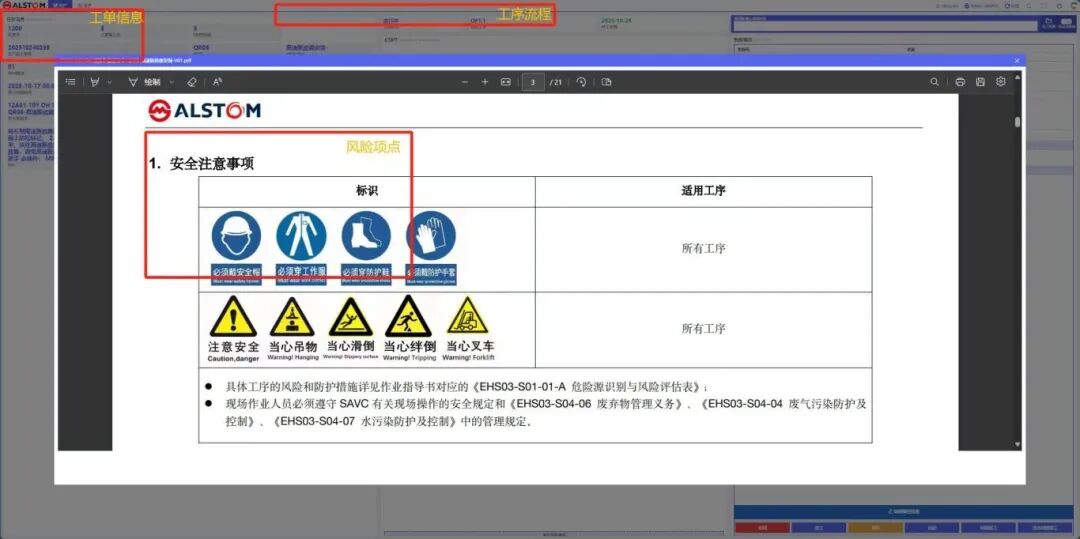
The Alstom Zero Deviation Plan (AZDP) consists of 12 directives, focusing on high-risk operations and safety management strategies. It requires employees and contractors to strictly adhere to the rules and intervene if they observe any violations. Shentong Alstom has embedded AZDP into its internal hazard identification guidebook. Drawing from the concepts of "residual risk" and "risk reduction factors," and by analyzing risk frequency and severity, the company has established a four-tier risk classification and control mechanism: Fatal (Major) (R1), Significant (R2), General (R3), and Minor (R4). In daily maintenance operations, the risk level is documented in the maintenance record sheet, providing risk prompts for each task through workbook reminders. Regular training and supervision are conducted to ensure the standardization and effectiveness of frontline hazard identification practices.
Implementing the ‘Big Data + AI’ Strategy to Enhance the Efficiency and Visualization of Hazard Identification
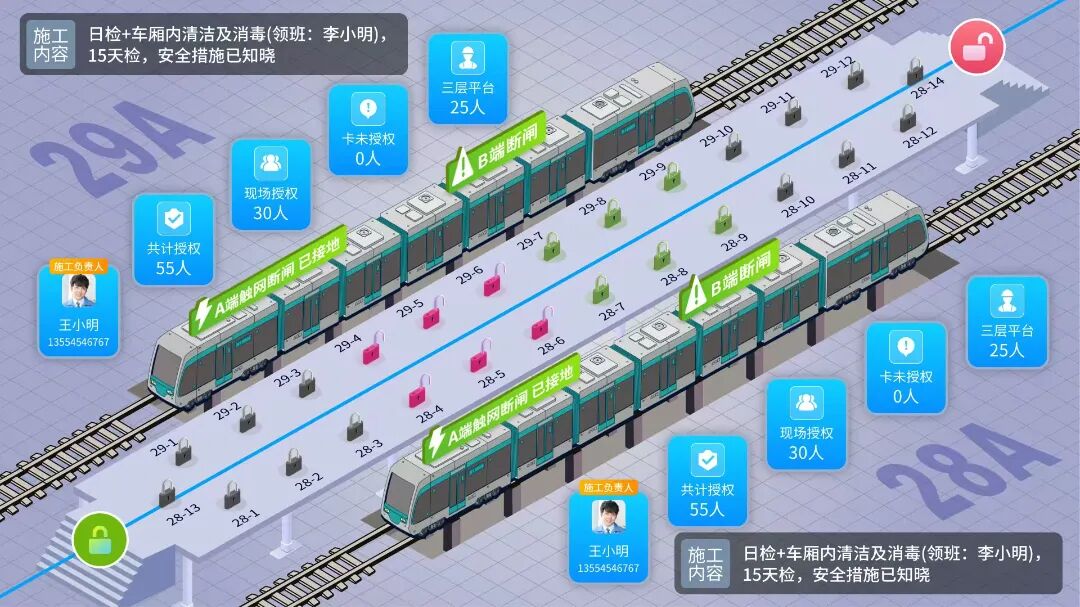
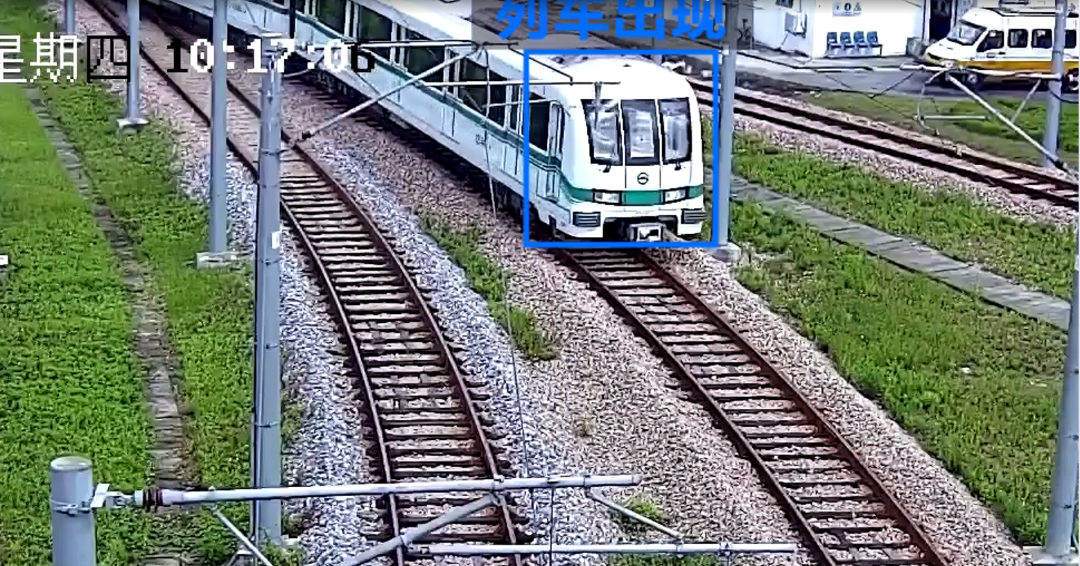
To address frequent safety incidents in the rail transit maintenance base, such as vehicle-pedestrian conflicts, falls from platforms and electric shocks, Shentong Alstom has focused on developing the "Depot Safety Management System (DSMS)". Leveraging big data and AI technologies, the system offers various functions to effectively eliminate safety hazards, such as electric switching and visual verification for overhead line power isolation and grounding, monitoring of external personnel entry, safety interlocking for platform roof access, early warning for train entry and exit, Bluetooth sensor coverage and facial recognition verification. This system has been granted a national utility model patent for "A Personnel Safety Management System for Construction Areas in Urban Rail Transit Depots".
Casco utilizes digital technologies to enhance hazard identification and track corrective actions, enabling rapid reporting and full-process control of hazards. Simultaneously, based on a tiered and classified management of risks and hazards, and supported by a digital safety management platform, it ensures that issues and hazards are handled timely and kept under control, driving continuous improvement in hazard identification and safety management. The relevant digital safety management platform was awarded the second prize in the Shanghai Innovation Achievement Awards in Enterprise Management Modernization.
Promoting Mutual Reinforcement Between the Reward Program and the Safety Culture System
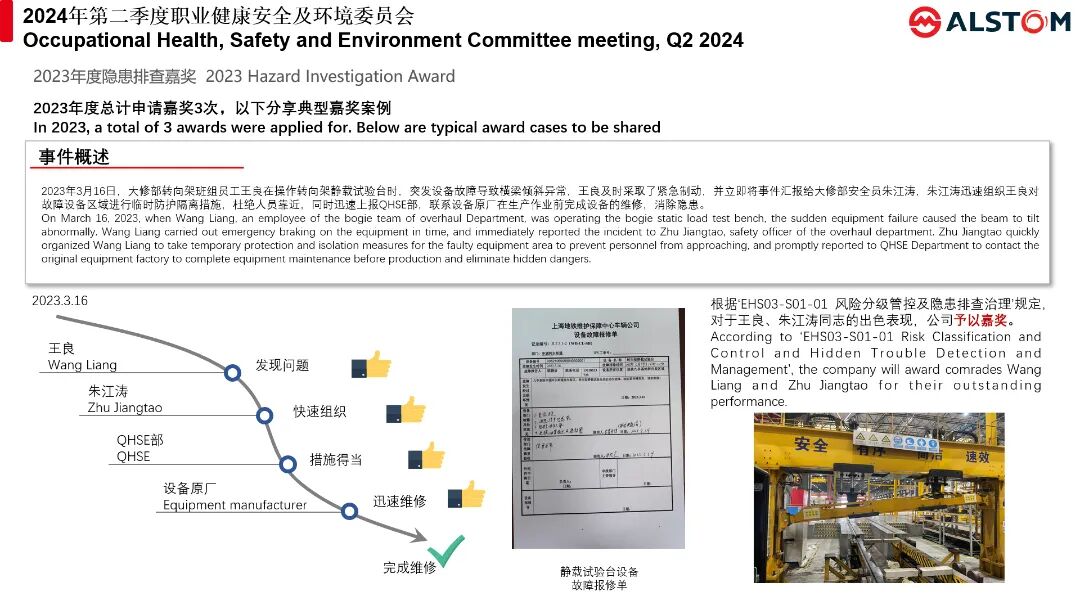

Since 2023, Alstom has initiated the internal rewarding program for the Best EHS Enterprise, with criteria covering leadership involvement, hazard reporting, reward mechanisms, and the Zero Deviation Plan, establishing a comprehensive performance evaluation system for safety management. This system motivates subsidiary enterprises to continuously optimize safety management, strengthen their safety culture, ensure compliant operations, and then guide themselves toward higher safety standards. Since 2021, Shentong Alstom has integrated risk identification and hazard reporting into the safety responsibilities of all departments, shifting from a model where the "QHSE Department leads all efforts" to one where "departments initiate their own efforts with assistance from the QHSE Department", significantly enhancing employee safety awareness.
Meanwhile, the company has strengthened the closed-loop mechanism for hazard management, and updated the "Monthly Hazard Identification and Management Progress Table" and the clauses of the "Reward and Disciplinary Management Regulations". By establishing a mechanism that combines incentives and penalties, the company encourages the implementation of improvement measures across departments. It promptly recognizes best practices where employees identify and proactively address hazards on site. Casco, through its Safety Outstanding Contribution System and Safety Culture Points System, provides both honorary and material rewards to teams and individuals who actively participate and make contributions, advancing the implementation of the "Dual-Wheel, Dual-Drive" safety reward mechanism.
For more details about these best practice cases, please scan the QR codes below.

end
▌编译:协作发展处
点击“分享”、点亮“赞”、“在看”
就是对应急人最大的鼓励!
原标题:《英文版 | 5分钟教你看懂如何推动事故隐患内部报告奖励工作——典型做法分享(十三)》